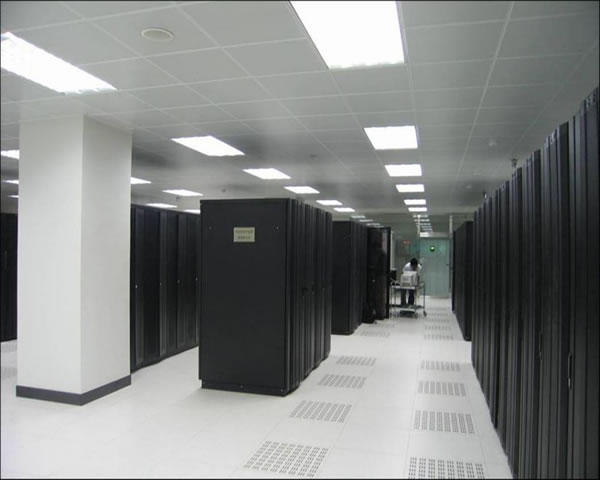
question 1: how to evaluate the physical security of vietnam cloud servers?
why physical security matters
common physical risk points
how to verify computer room qualifications
when evaluating the security of cloud servers in vietnam , the first thing to look at is the physical security of the computer room and hardware. the physical security of the computer room directly determines that key equipment such as hard drives and network equipment will not be illegally accessed or damaged, thereby preventing data loss and service interruption.
check points include: whether the computer room has 24/7 security , video surveillance, access control systems, fire protection and power supply redundancy (such as ups and diesel generators), waterproof and dustproof, and temperature and humidity control. also confirm whether the supplier has passed international or local computer room certification (such as tier level, iso 27001, soc 2, etc.).
in actual operation, the supplier can be required to provide photos of the computer room, copies of certificates and access record samples; if possible, conduct on-site inspections or entrust a third-party audit to verify whether the physical protection measures in the computer room are true and effective.
question 2: what are the key items included in the network protection capabilities of vietnam’s cloud servers?
core cyber threats
network protection services that suppliers should provide
how to test and verify
network-level risks include ddos attacks, unauthorized access, traffic hijacking and man-in-the-middle attacks. when evaluating, attention should be paid to the supplier's capabilities in boundary protection, intrusion detection, and traffic cleaning.
key checks: whether it provides ddos protection and traffic cleaning, next-generation firewall (ngfw), intrusion detection/prevention system (ids/ips), virtual private cloud (vpc) isolation, network access control list (acl) and security group policy and other functions.
verification methods include: requiring past protection reports or incident response cases; assessing the exposure of network boundaries through penetration testing and compliance scanning, and confirming whether logging and real-time alarms can be configured to respond to security incidents in a timely manner.
question 3: what points should we pay attention to in terms of data security and encryption?
data encryption at rest and in transit
key management and compliance
checklist and implementation suggestions
assessing data security requires attention to encryption measures during data transmission and at rest (at-rest). the transport layer should use tls/ssl, data at rest should support disk or partition encryption, and ensure storage snapshots and backups are also encrypted.
key management is key: ask about a standalone key management service (kms), support for customer-managed keys (byok), and key lifecycle management, backup and auditing strategies. compliance requirements (such as gdpr, pci-dss) may have specific provisions for encryption and key management, which should be confirmed simultaneously.
in practice, you should check the encryption protocol version and certificate management mechanism upon request, and verify whether the key rotation, revocation, and disaster recovery processes are complete and traceable through configuration drills.
question 4: how to evaluate the access control and identity management of vietnamese cloud providers?
least privilege vs. multi-factor authentication
log auditing and permission separation
implementation and verification steps
strong identity and access management (iam) can significantly reduce the risk of internal and external abuse. key points of the evaluation include support for role-based access control (rbac), the principle of least privilege, multi-factor authentication (mfa), and temporary credential and session management.
it is also necessary to check whether there is separation of permissions (sod), whether detailed access logs and audit functions are provided, and whether approval processes and alarms can be set for sensitive operations. the log should contain key information such as login source, operation time, status before and after changes, etc., to facilitate subsequent traceability and evidence collection.
verification methods include reviewing iam policies, simulating privilege escalation scenarios, checking mfa enforcement policies and log availability, and conducting red team or internal audits when necessary to verify actual execution effects.
question 5: what aspects should be considered when evaluating the compliance and emergency response capabilities of vietnam's cloud servers ?
local laws and industry compliance
incident response and backup recovery capabilities
practical advice on choosing a supplier
compliance includes not only global standards (such as iso, soc, pci-dss), but also local vietnamese laws and data sovereignty requirements (such as data residency, cross-border transfer restrictions). confirm whether the supplier can clarify data location and legal responsibilities in the contract.
emergency response capabilities are reflected in whether there are mature incident response (ir) processes, 24/7 security operation and maintenance teams, drill records and communication mechanisms, and auditable backup and disaster recovery (dr) strategies. when evaluating, look at whether the rto/rpo indicators meet business needs.
when selecting suppliers, give priority to those that have transparent compliance certificates, can provide slas and contingency plans, support third-party audits, and can sign clear data protection clauses; at the same time, clearly define the division of responsibilities and compensation clauses in the contract to reduce compliance and operational risks.
- Latest articles
- Guidance On The Application Of Korean IP Native In SEO And Refined Promotion Operations
- Cross-server StarCraft Battle, Creating A Room, Choosing A Korean Server, Multi-country Player Experience Analysis
- Consider Multi-region Backups: Which Cloud Server In Taiwan Is Recommended With Excellent Disaster Recovery Capabilities?
- From Latency To Throughput, A Comprehensive Assessment Of The Large Bandwidth Advantages Of Hong Kong's Native IPs
- Comparing The Cost-performance Ratio And Technical Specifications Of Taiwanese VPS Cloud Hosts With High-protection Cloud Space
- Before Choosing A Hong Kong High-defense Exemption Server, You Need To Pay Attention To Security And Contract Terms
- Experts Recommend Paying Attention To ISP And Routing Issues When Assessing The Speed Of Vietnamese VPS
- Cost Control Tips For Korean CN2 Site Clusters: Bandwidth Billing And Resource Allocation Recommendations
- Common Causes Of Tencent Cloud Singapore Server Failures And Best Practices For Prevention
- Evaluation Of The Capabilities Of Singapore Cloud Server CN2 Service Providers In Supporting Cross-border Business
- Popular tags
-

Localized Deployment Of Cloud Servers In The Vietnamese Market: A Guide To The Costs And Processes Of Enterprises Entering Vietnam
For companies preparing to enter the Vietnamese market, this book analyzes the advantages, compliance processes, cost structure, and steps for selecting and implementing vendors for localized cloud server deployment in Vietnam, helping companies assess investment and implementation paths. -

Learn About The Latest Trends And Prices In The Vps Rental Market In Vietnam
this article details the latest trends and prices in the vietnam vps rental market and provides specific operating guidelines. -

How Much Does A Cloud Server In Vietnam Cost? Revealing The Prices Of Different Packages
this article discusses in detail the price of cloud servers in vietnam, the costs of different packages and their characteristics to help users choose the right cloud server.